New Opportunities for International Nurses in Germany: What You Need to Know
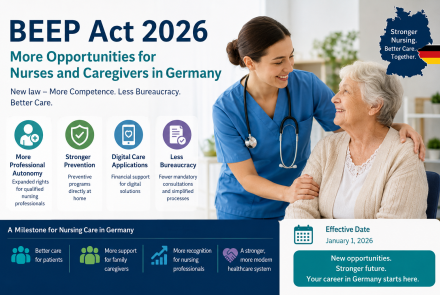
In 2026, Germany is implementing major reforms to simplify the recognition of nursing diplomas, language training, and employment opportunities for international nurses in Germany.
Germany continues to be one of the most attractive destinations for healthcare professionals. High salaries, modern clinics, and a strong quality of life make it a top choice for foreign specialists. In recent years, the country has actively recruited nurses from abroad to address staffing shortages in its healthcare system.
The new legislation creates favorable conditions for diploma recognition and professional integration, making migration for nurses one of the most accessible in Europe.
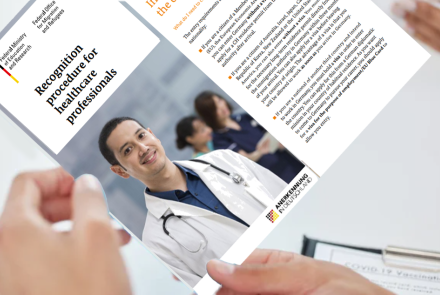
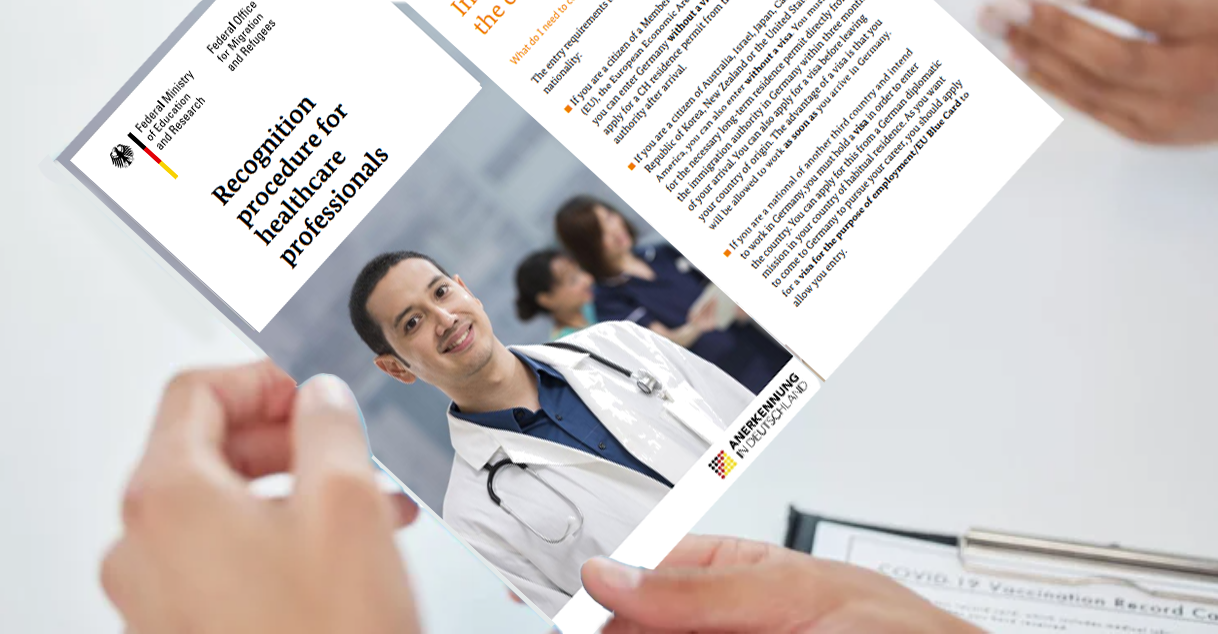
1. Accelerated Diploma Recognition Programs
- Accelerated Nursing Pathways allow international nurses to work while completing the qualification recognition process.
- Paid adaptation courses and clinical internships shorten the time to full work authorization.
- This reduces barriers to long‑term employment and speeds up integration into German healthcare.
2. Support for Learning German
- Employers and government programs provide language courses up to B2–C1, the required level for medical practice.
- Language learning is integrated into adaptation programs, ensuring practical application during work.
- This approach helps nurses achieve fluency faster while gaining professional experience.
3. Protection of Foreign Workers’ Rights
- From January 2026, employers must inform international staff about free advisory services and their rights.
- This requirement is part of §45c of the Residence Act (Aufenthaltsgesetz).
- The goal is to increase transparency and prevent exploitation of foreign healthcare workers.
Regional Differences
Conditions may vary across Germany’s federal states. Nurses should check local requirements for diploma recognition, language support, and employment procedures.
Conclusion
The 2026 reforms make the employment process for international nurses in Germany clearer and more predictable. With accelerated diploma recognition, integrated language training, and stronger worker protections, Germany is opening its healthcare system to more foreign professionals.
For nurses considering migration, these changes reduce barriers and provide a structured path to long‑term employment, permanent residency, and even citizenship.
What changes in 2026 make it easier for international nurses to work in Germany?
Germany introduced accelerated diploma recognition programs, integrated language training, and stronger worker protections, making migration and employment more accessible.
Do international nurses need to speak German to work in Germany?
Yes. A minimum of B2–C1 level German proficiency is required for medical practice. Employers and government programs provide language courses to support nurses in reaching this level.
How does the accelerated diploma recognition process work?
Nurses can begin working while completing qualification recognition. Аdaptation courses and clinical internships shorten the time to full authorization.
What is required to begin the simplified procedure for recognizing a nursing qualification in Germany?
To start the simplified recognition process, you must have German language proficiency at level B1, hold a nursing diploma, and successfully complete an interview at a clinic that will accept you for an internship.
What rights do foreign nurses have under the new reforms?
Starting January 2026, employers must inform international staff about free advisory services and their rights, as outlined in §45c of the Residence Act.
Are conditions the same across all of Germany?
No. Requirements and support programs may vary between federal states, so nurses should check local regulations.