Germany's BEEP Act 2026: New Career Opportunities for Nurses and Caregivers
Health & Prevention | Updated for international healthcare professionals
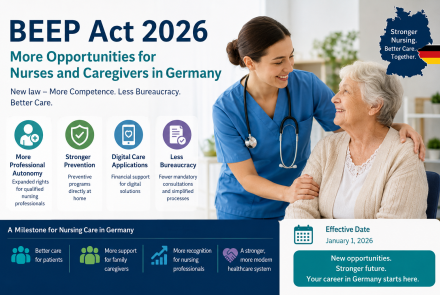
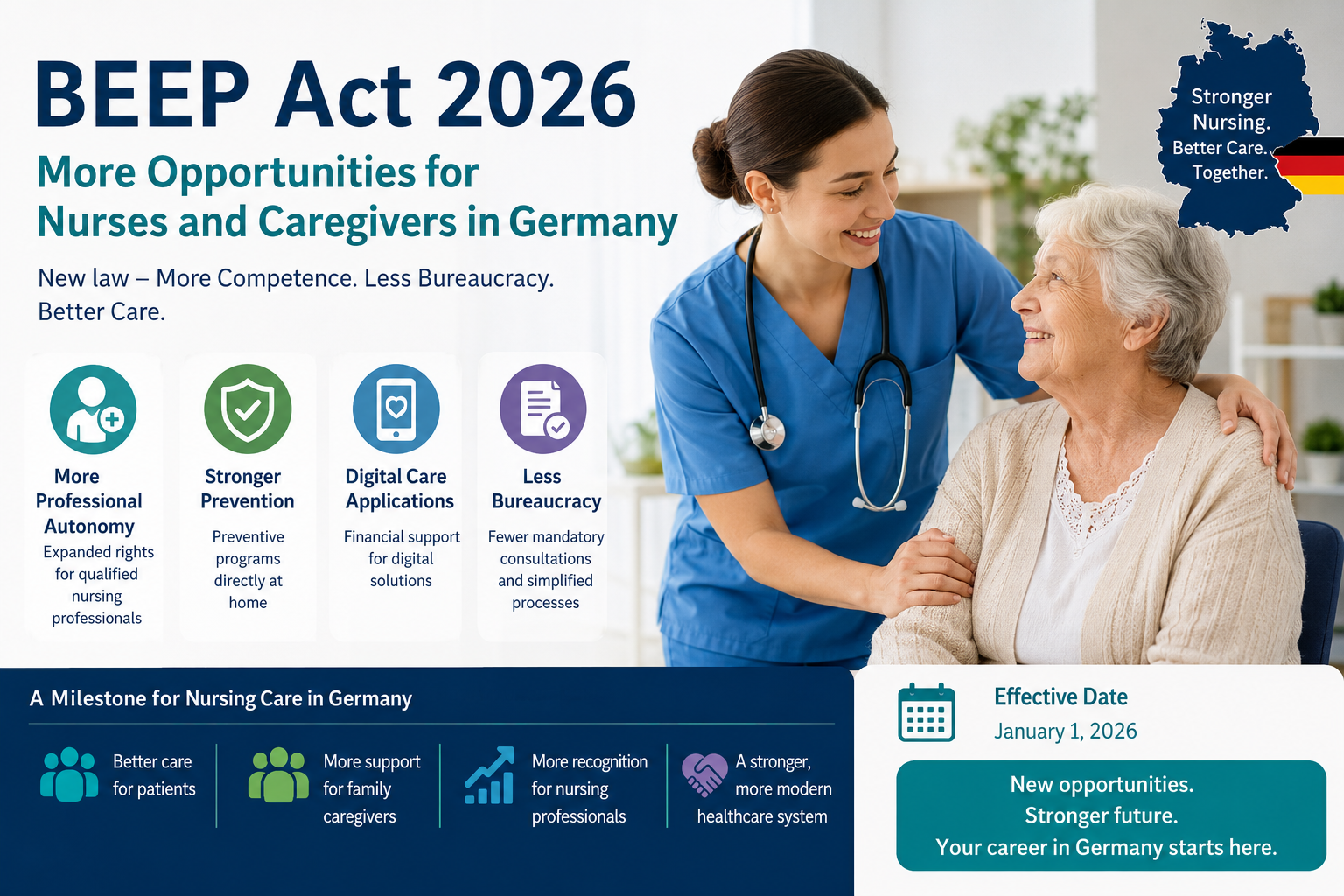
On January 1, 2026, Germany introduced the BEEP Act (Act on Expanding Professional Competencies and Reducing Bureaucracy in Nursing Care). The reform strengthens the role of nurses and qualified care professionals while simplifying many administrative procedures within the healthcare system. For international healthcare professionals planning to build a career in Germany, these changes make nursing and care work more independent, attractive, and professionally rewarding.
What is the BEEP Act?
The main purpose of the law is to give qualified nursing professionals greater professional independence. Previously, many medical procedures required a separate doctor's order each time. Under the new rules, once a physician has made the initial diagnosis, specially qualified nurses can independently carry out certain treatments within the scope of their professional competence.
This reflects Germany's long-term strategy of giving nursing professionals a more active role in patient care and making better use of their training and experience.
Key Changes Introduced by the BEEP Act
1. More Professional Responsibility for Nurses
The most important reform is the expansion of nursing competencies. After an initial medical diagnosis, qualified nurses may independently perform selected healthcare procedures without waiting for repeated physician authorisations.
treatment and monitoring of chronic wounds;
diabetes management and blood glucose monitoring;
care planning and professional support for patients with dementia;
follow-up prescriptions for selected medical supplies, such as continence and stoma products.
The exact responsibilities depend on the nurse's education, recognised professional qualification, and additional training. Continuing education will therefore become even more important for career development in Germany.
2. Greater Focus on Prevention
The legislation strengthens preventive healthcare delivered at home. Nurses and care consultants can recommend preventive programmes funded by German health insurance providers directly during home visits.
mobility and physical activity training;
nutritional counselling to prevent malnutrition and dehydration;
fall prevention and advice on adapting the home environment;
education and stress-reduction support for family caregivers.
Eligible preventive services are funded by the statutory health insurance system.
3. Digital Care Applications Become Part of Everyday Practice
The BEEP Act also promotes the use of Digital Care Applications (DiPA). These approved applications can support medication routines, care documentation, patient monitoring, digital care diaries, and the organisation of daily care.
up to EUR 40 per month for an approved digital care application;
up to EUR 30 per month for setup, instruction, and practical support by a care service.
For the first time, digital applications may also be designed specifically for family members who provide care at home.
4. Less Bureaucracy
Mandatory consultation visits for people receiving the German nursing care allowance (Pflegegeld) have been simplified. In many cases, only two consultations per year are required, and every second consultation may take place by video call. This saves time for patients, relatives, and care professionals.
5. New Rules for Respite Care Reimbursement
Germany provides financial support when a family caregiver is temporarily unable to provide care. From 2026, reimbursement requests must be submitted within clearly defined deadlines. Expenses can generally be claimed only for the current calendar year and the immediately preceding year.
6. Extended Care Benefits During Temporary Travel Abroad
People receiving the nursing care allowance may continue receiving benefits during temporary stays abroad for up to eight weeks per calendar year, instead of the previous six weeks. The rules may also apply in certain cases involving hospital treatment or rehabilitation.
7. Faster Processing by Care Insurance Funds
If a long-term care insurance fund takes too long to process an application for a care level (Pflegegrad), it may be required to pay compensation. The BEEP Act introduces clearer deadlines and payment rules, encouraging faster decisions.
Who Benefits Most?
Qualified Nurses
greater professional autonomy;
more responsibility and recognition;
fewer delays caused by repeated administrative approvals;
better opportunities for professional development and specialisation.
Patients
faster access to treatment;
fewer unnecessary doctor visits;
easier access to medical supplies;
a stronger focus on prevention and maintaining independence.
Family Caregivers
less paperwork;
access to preventive support programmes;
digital tools for organising care;
greater flexibility during temporary stays abroad.
New Community-Based Care Models
The BEEP Act also creates a new category of community-based living arrangements for people who need long-term care. These models combine elements of home care and residential care, allowing residents to remain more independent while receiving professional support. Eligible residents may receive an additional monthly allowance.
What Does This Mean for International Nurses?
For healthcare professionals considering employment in Germany, the BEEP Act is an encouraging development. It confirms that Germany increasingly recognises nurses as highly qualified healthcare professionals who can make independent clinical decisions within their competence.
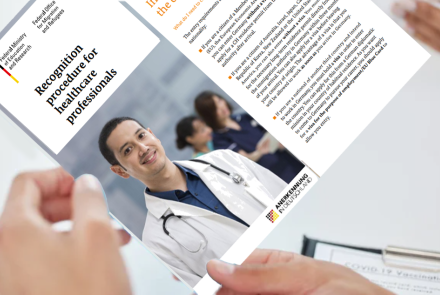
At the same time, professional recognition remains essential. International nurses generally need recognition of their foreign qualification (Anerkennung), adequate German language skills, and, depending on the position, additional training. Healthcare providers across Germany continue to need qualified nursing staff, which creates strong long-term career opportunities for international applicants.
Conclusion
The BEEP Act 2026 is one of the most significant recent reforms in Germany's nursing sector. By expanding professional competencies, reducing bureaucracy, strengthening prevention, and promoting digital care solutions, it improves both the status of nursing professionals and the quality of patient care.
Some practical details will continue to develop, but the direction is clear: nurses in Germany are receiving greater responsibility, stronger recognition, and better opportunities for professional growth. For international nurses and care professionals, these reforms make Germany an even more attractive destination for building a long-term healthcare career.
Editorial note: This article is an adapted English-language overview for international nursing and care professionals and does not constitute legal advice. Specific professional duties and employment opportunities depend on recognised qualifications, professional training, language skills, employer requirements, and the final implementing regulations.
Are you interested in working as a nurse or care professional in Germany? Contact Ost-West Medpersonal by email. We will review your application, answer your questions, assess your employment opportunities, and support you throughout the process of finding a suitable job in Germany.
All consultations and employment support services for candidates are free of charge.
Ost-West Medpersonal | Information for international healthcare professionals
- Log in to post comments